.jpeg)
.jpeg)
Why pilots Choose Scandinavian Seaplane Training AS
01
Airline Background
They wanted to bring airline standards into bush flying.
02
Flexible Locations
Training bases move depending on weather and operational requirements.
03
Seasonal Flying
Seaplane activities mainly run between April and October.
04
Growing Operation
The company continues expanding with new ideas and future projects.

"In my heart I was always a bush pilot. I would probably have loved to be born in Alaska. When there were no real commercial seaplane operators in Norway, we decided to build one ourselves."
Daniel Boden, founder and CEO of Scandinavian Seaplane Training AS
Flying Around the Weather
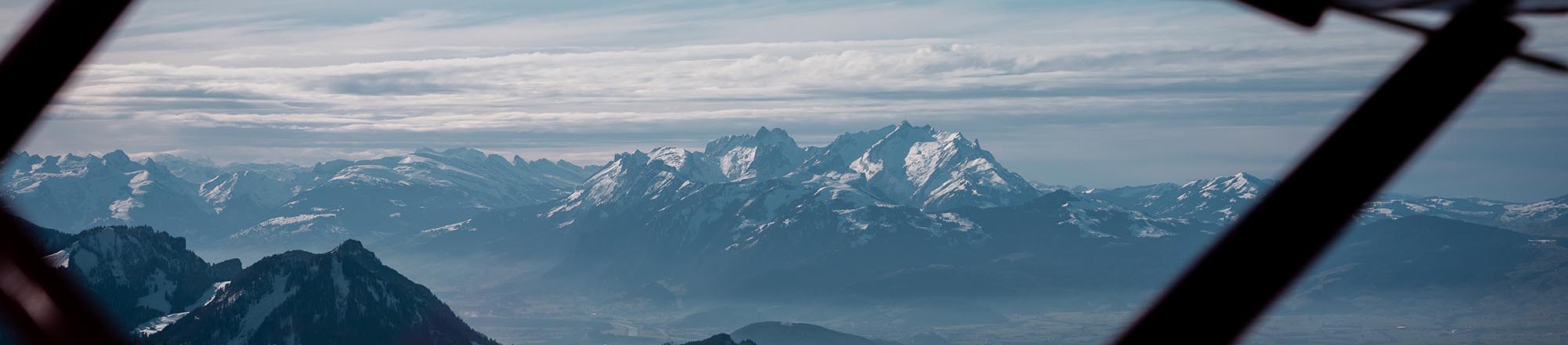
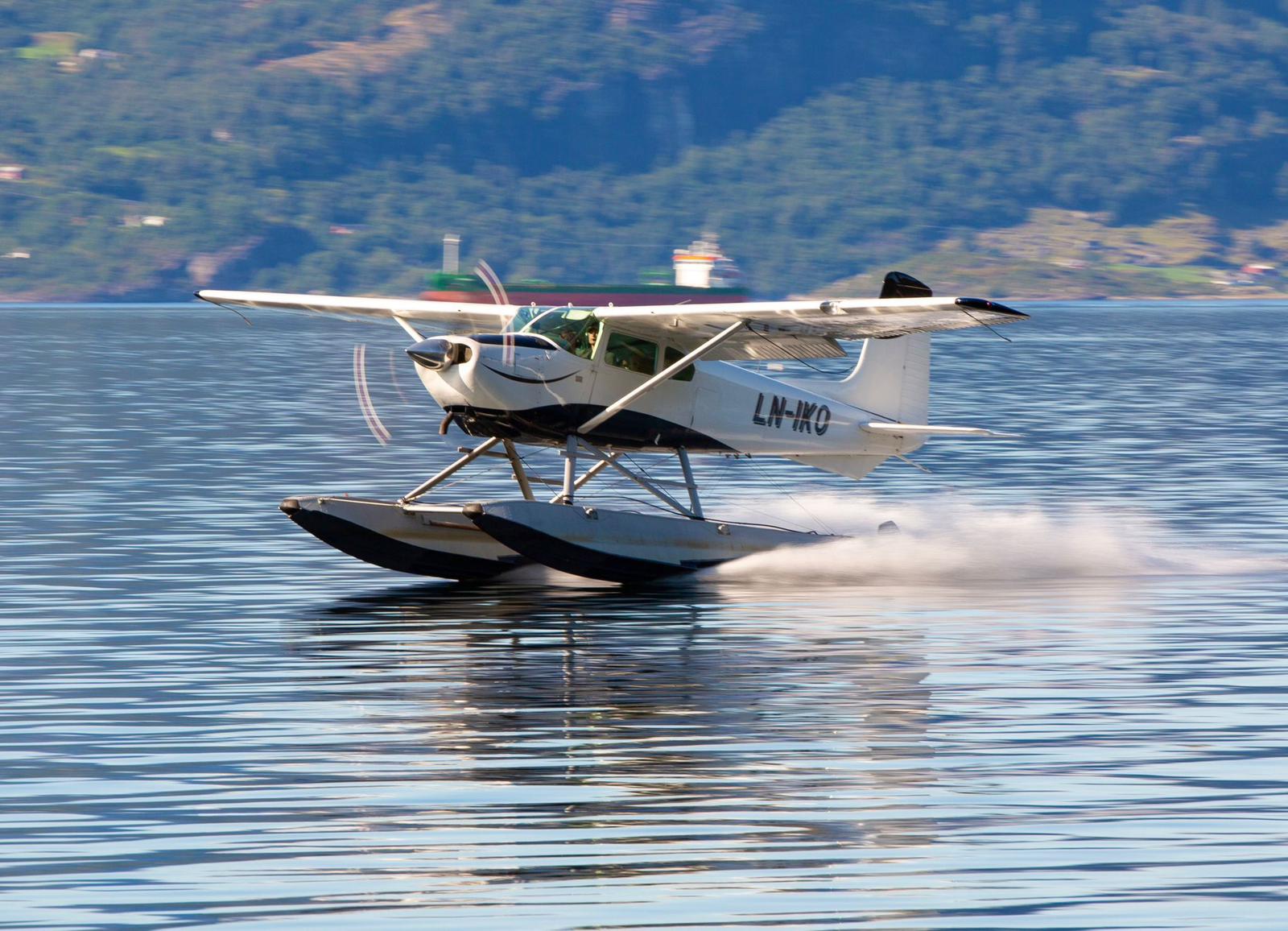
People often ask where the seaplane base is. The honest answer is: it depends. Commercially, the operation is based in Bergen. But when it comes to training and pilot trips, the team goes where the conditions are best. That could mean spending a few days at a fjord hotel with a dock outside the front door, or changing plans completely because the weather is better on the other side of the country. Daniel laughs that seaplane flying teaches flexibility very quickly.
.jpeg)
A place for explorers
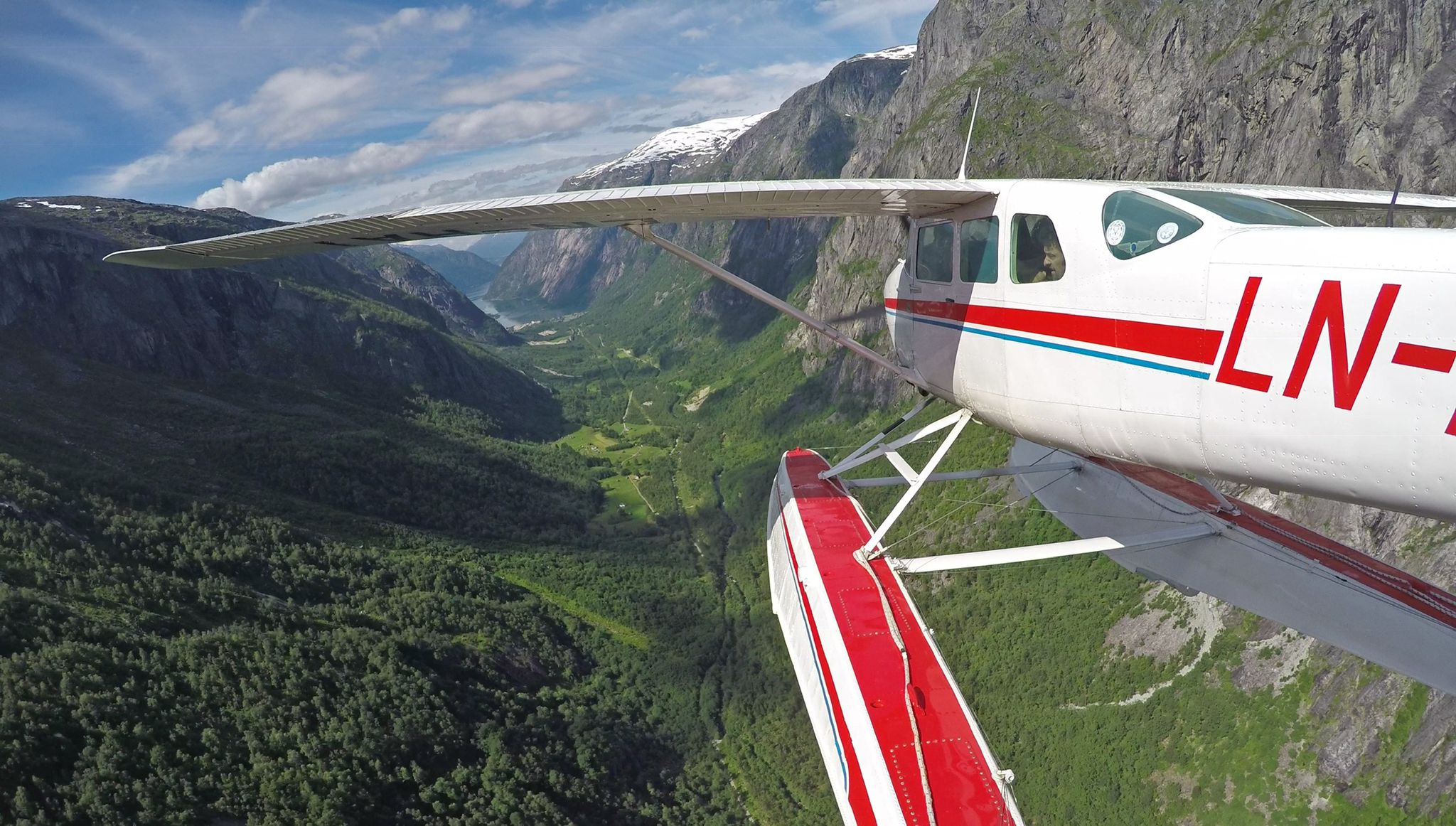
Some people prefer comfortable hotels beside the fjords. Others enjoy throwing their tent in the back of the plane. People who are happy adapting to the weather, changing plans, spending time with other pilots and exploring places that are difficult to reach by road usually settle in quickly.
"You have freedom, but you also have responsibility."
Airline Standards Meet Seaplane Flying
When Daniel and his team started building the company, they wanted to do things properly. Many people involved came from airline backgrounds and were used to structured operations, standard procedures and safety systems. Today, Scandinavian Seaplane Training operates with SOPs, safety management systems and clearly defined procedures. That may sound normal in airline operations, but it is still unusual in European seaplane flying.
.jpeg)
It rarely ends with eight hours.
The minimum requirement for an SEP(Sea) rating is eight flight hours. Usually though, pilots stay longer than that. Once there, they fall in love with exploring Fjords, mountain lakes and Norways wilderness. Another reason is that most people are not looking to rush through the process. They want time to learn, ask questions and actually enjoy being there. As Daniel put it during the interview, many pilots are searching for something beyond flying circuits or having coffee at the next airfield.
Quick Facts
Aircraft Fleet
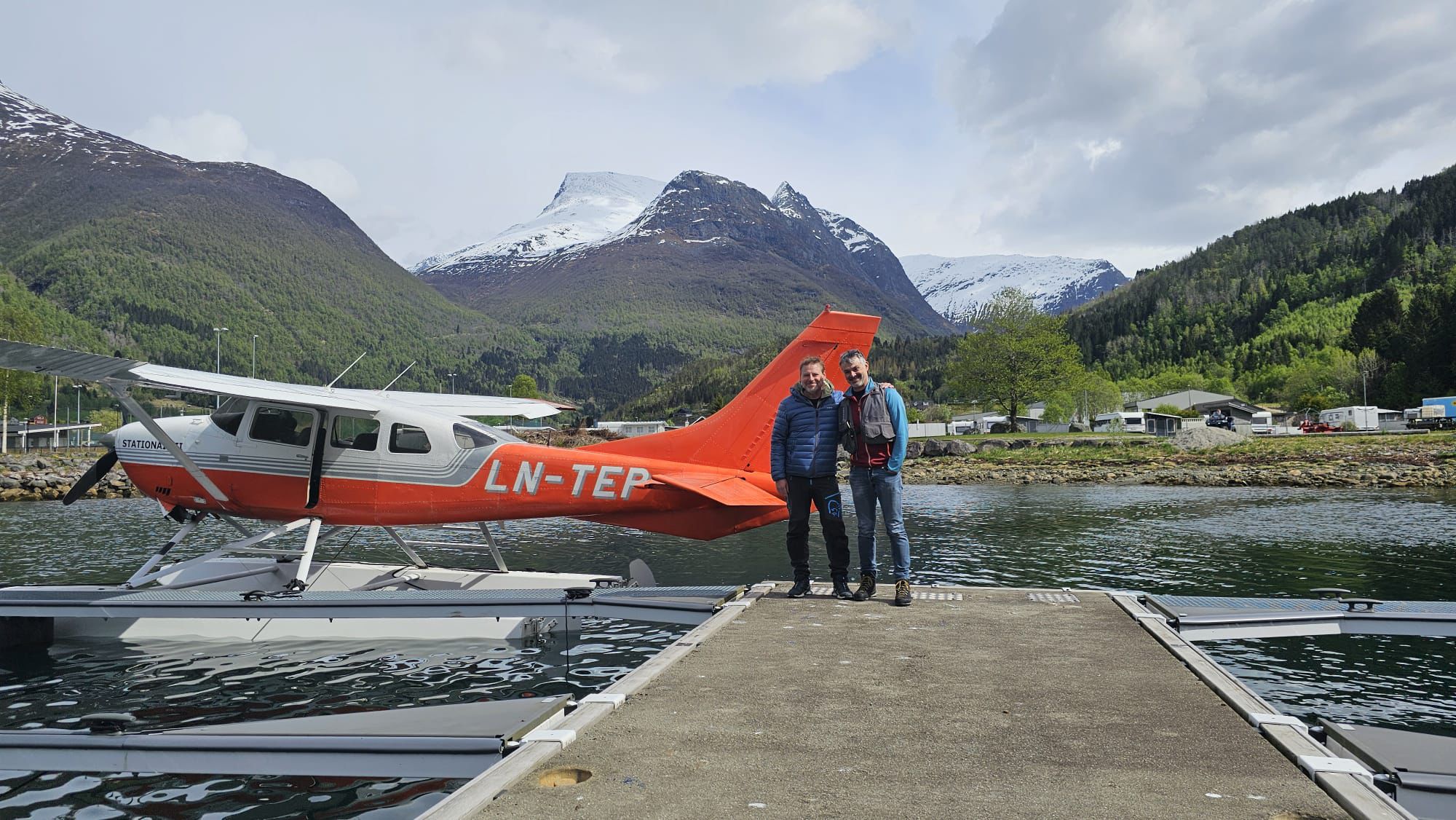
Cessna 180 on floats, Cessna 206 on floats
Best Season
May to September
Availability
Flexible between May to September
Languages
English, Norwegian, German on request
Club Membership
No membership required
Location
Bergen, Norway
About this provider


.svg)