Jobs with Scandinavian Seaplane Training AS
More than a summer job
Pilots interested in joining the operation need a valid CPL and a current SEP(Sea) rating. The internal requirement is around 500 hours total time and 20 hours of seaplane experience. From there, the process usually develops step by step. New pilots start with supervised flying and gradually take on more responsibility as their experience grows. Daniel explained that they are not necessarily looking for someone who wants to fly for just one or two weeks. The training investment is significant for both sides. Because of that, they generally look for pilots who can commit to at least eight to ten weeks per season and who have a genuine long-term interest in this type of flying.
Built to be professional
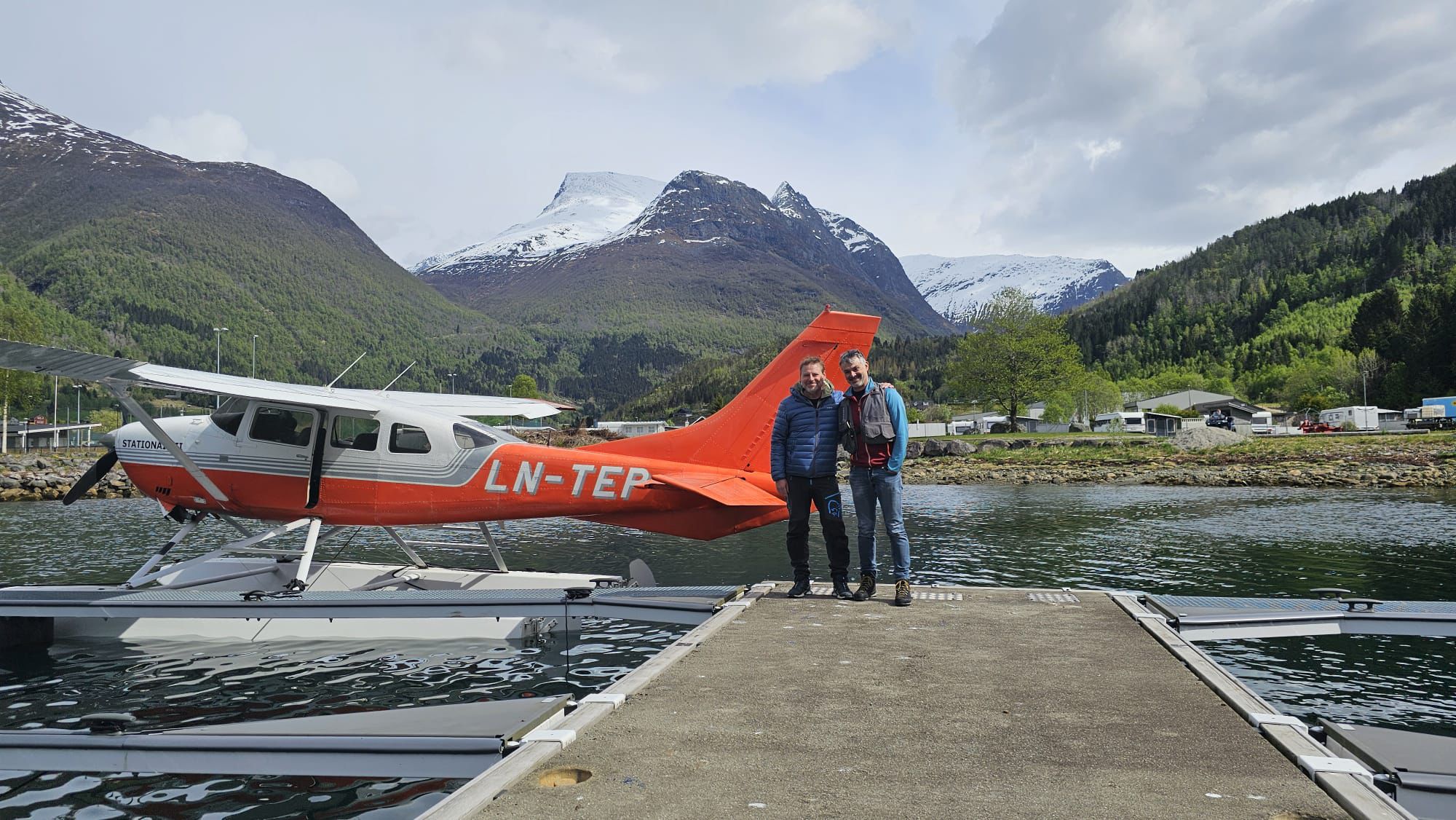
When Daniel and his colleagues started the company, they wanted to build something that did not really exist in European seaplane flying. Many of the people involved came from airline backgrounds. SOPs, Safety Management Systems and structured training were simply part of how they had always worked. Rather than leaving things to chance, they brought many of these ideas into the seaplane operation as well. Risk registers, standard procedures and recurrent training all became part of everyday life. As Daniel put it, the idea was to make bush flying and seaplane operations more professional without losing what makes them special in the first place.
.jpeg)
"We brought airline standards into seaplane flying."
Finding the joy again
Several pilots in the team spent years in airline operations before joining Scandinavian Seaplane Training. Daniel has seen how quickly people reconnect with the reasons they started flying in the first place. Instead of long sectors between major airports, they find themselves landing beside fjord hotels, planning around the weather and working closely with a small team. The flying remains professional, but it becomes much more hands-on again.
.jpeg)
Looking for the right fit
Scandinavian Seaplane Training regularly welcomes new pilots into the operation. Some work on a freelance basis. Others become more involved over time. Commercial seaplane flying requires ongoing training, supervised experience and time to build confidence in the role. Because of that, the team generally looks for pilots who can commit to spending at least eight to ten weeks per season within the operation. For those who enjoy the combination of professional flying, outdoor life and close teamwork, it can become a very rewarding path.
.jpeg)
Quick Facts about your Job at Scandinavian Seaplane Training AS
Cessna 180 and Cessna 206 on floats
May to September
CPL, SEP(Sea), 500 hours total time
Supervised progression into commercial flights
Airline standards meet bush flying
At least 8–10 weeks per season


.svg)