.jpeg)
SEP (SEA) Rating with Scandinavian Seaplane Training AS
What the first days actually look like.
The first days usually follow a simple rhythm. A briefing in the morning, a flight session, some time to debrief, another session later in the day. Nobody is trying to squeeze everything into one long day if the weather or energy levels do not support it. The pace is surprisingly relaxed. People come here to learn, but also to enjoy being in Norway. Some stay in fjord hotels close to the training area. Others explore the surroundings between flights. The training remains structured, but there is enough flexibility to adapt to the individual pilot and the conditions on that particular day.
.jpeg)
There is no pause button
One of the first things Daniel talks about is mental checklists. On the water, the aircraft is almost always moving. You might be turning into the wind, drifting away from the dock or taxiing across changing conditions. There is rarely a moment where everything simply stops. That changes the way pilots work through procedures. Instead of relying heavily on printed checklists, many actions become structured routines that are practised repeatedly until they feel natural.
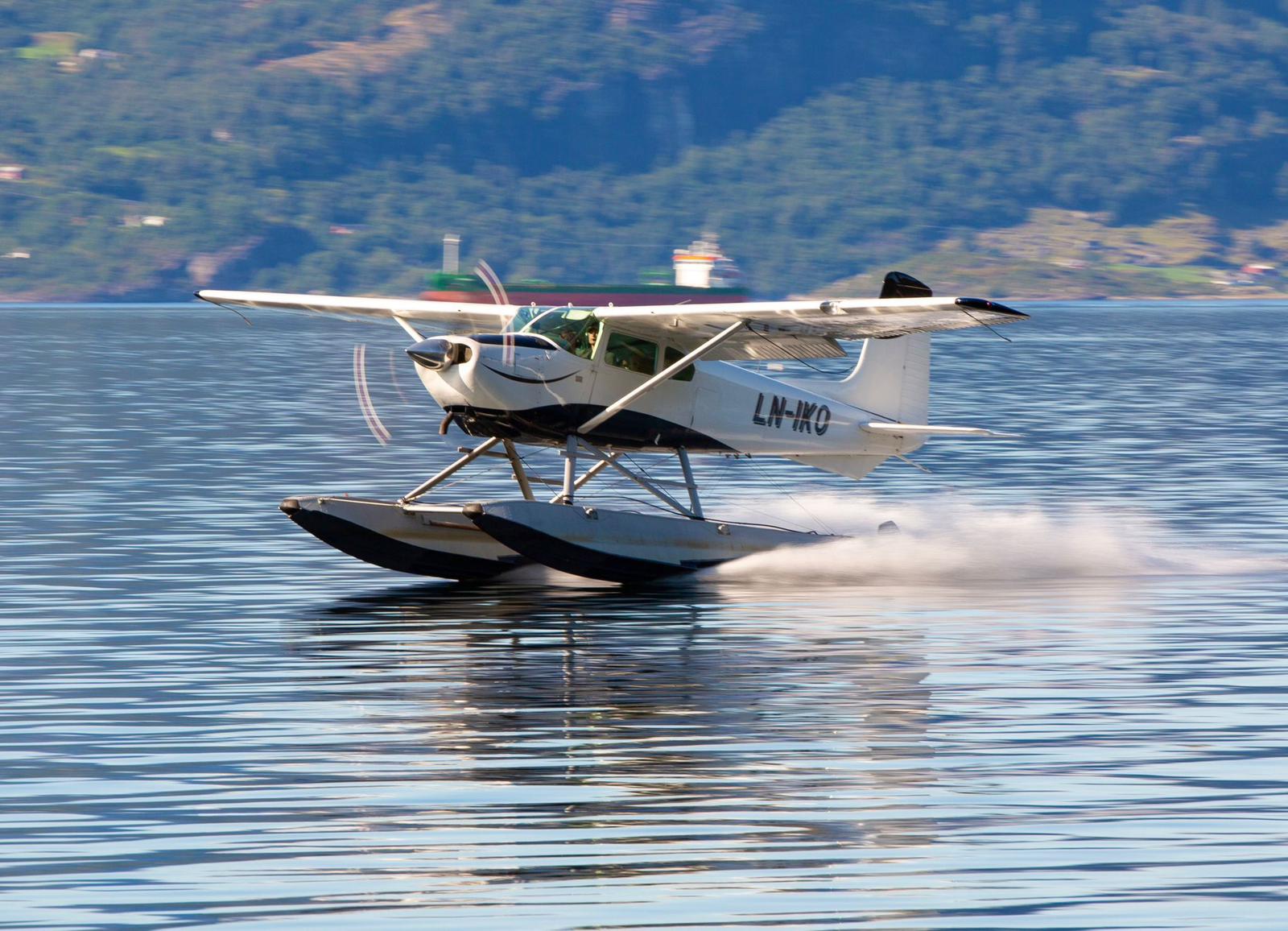
"There is no parking brake on a seaplane."
Glassy water and mountain winds
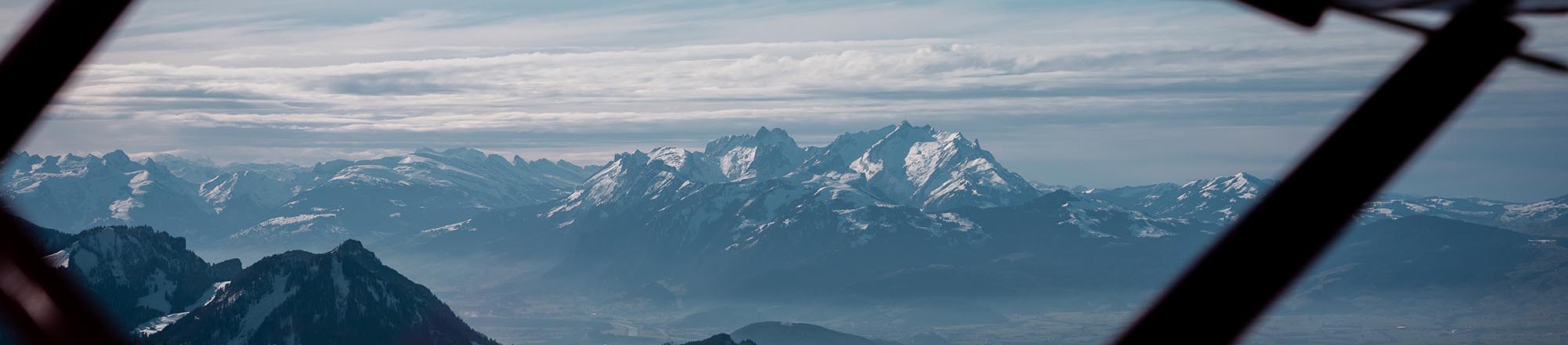
Some of the most valuable lessons come directly from the environment. A glassy water landing sounds easy at first. No waves. No strong winds. In reality, it removes many of the visual cues pilots normally rely on to judge height above the surface. The approach becomes a matter of trust, discipline and technique. Weather in Norway adds another layer. Easterly winds, even when relatively light, can create strong turbulence in the fjords. Escape routes, local effects and careful decision making all become part of everyday operations. It is one of the reasons why local knowledge matters so much.
.jpeg)
Attitude matters more than hours
Daniel has seen all kinds of pilots arrive for training. Pilots fresh out of their PPL. Airline captains. Taildragger pilots. One thing he noticed over time: the pilots who get the most out of the experience are usually the ones who stay curious. He often says that seaplane flying has a way of putting everyone back into learning mode. Reading the wind on the water, docking without brakes and making decisions without a runway number in front of you are new experiences for almost everyone. As Daniel puts it: "If you think you've already seen everything, seaplane flying brings you back to reality."
.jpeg)
Quick Facts about the SEP (SEA) rating with Scandinavian Seaplane Training AS
Cessna 180 or Cessna 206
flexible, but normally 2-3 days
PPL required. 8 hours with SEP, 10 hours without.
Docking, water handling, emergencies and glassy water landings.
May to September
Yes, weather dependent


.svg)