Tailwheel Training by HB Air
From the Beginning
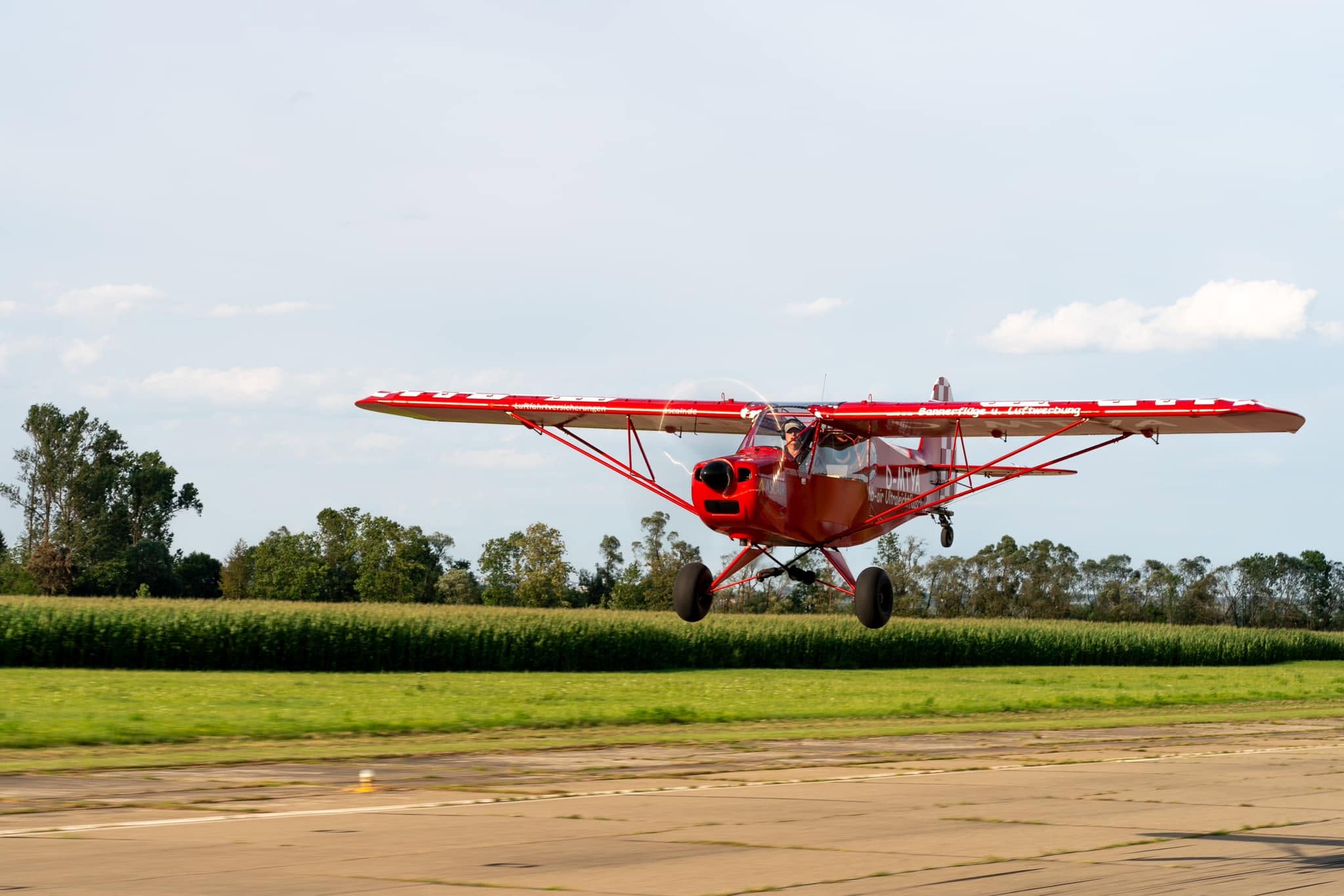
Many pilots come to HB Air because they want to try something different. Others arrive because they have bought a tailwheel aircraft and want to learn how to handle it properly. Some simply enjoy the challenge. For Henry, tailwheel flying has always been part of aviation. He learned on taildraggers himself and spent thousands of hours flying and towing with them. Today, HB Air offers tailwheel training on its Zlin Savage ultralights. The philosophy is straightforward: learn to fly the aircraft properly from the start. Take your time. Understand what the airplane is telling you. Because once it clicks, tailwheel flying becomes incredibly rewarding.

A Different Kind of Flying
One thing Henry often says is that a tailwheel airplane simply wants to be flown. Unlike many nosewheel aircraft, it doesn't hide small mistakes. You need to pay attention. Keep the ball centred. Stay ahead of the airplane. Use your feet properly. That sounds very simple at first, but most pilots are surprised by how much a nose-gear aircraft normally forgives compared to a taildragger. According to Henry, the more relaxed you are in the cockpit, the easier everything becomes. Tight shoulders and white knuckles don't help. Gentle control inputs and patience do. That's often the biggest lesson people take home from their first tailwheel flights.

"The more relaxed you are, the easier it becomes."
Learning Step by Step
Training usually begins with taxiing, normal circuits, and understanding how the aircraft behaves close to the ground. As confidence grows, pilots learn how to recognise small deviations early and correct them before they become bigger problems. Henry adapts the pace to each individual pilot. Some people progress quickly. Others need more repetition. The important part is building good habits from the beginning. There is no rush. The goal is that pilots leave feeling comfortable and capable rather than simply having completed another checkout.

More Than Just an Endorsement
For many pilots, tailwheel flying opens the door to a different side of aviation. Mountain flying, vintage aircraft, bush flying, towing operations, and classic taildraggers all become much more accessible. Others simply continue flying the Zlin Savage because they enjoy the experience so much. Either way, the training rarely ends with the final landing. As Henry puts it, getting signed off is one thing. Really learning the airplane takes a little longer.

Quick facts about the Tailwheel Training by HB Air
Training is conducted on HB Air's Zlin Savage ultralights. Pilots may also participate using their own aircraft.
Some pilots need only a few flights. Others prefer more time and repetition. The pace is adapted to each individual.
Open to newly licensed pilots as well as experienced aviators looking to transition into tailwheel aircraft.
Tailwheel training on ultralights does not lead to an official endorsement. When conducted on certified aircraft, an official tailwheel sign-off may be possible, depending on the aircraft and applicable regulations.
Tailwheel training is available throughout the entire year.
Many sessions take place after work during the week or on weekends. With sufficient notice, weekday daytime training can often be arranged as well.


.svg)