SEP (SEA) Rating with Aero Club Como
More Than Just One Lake
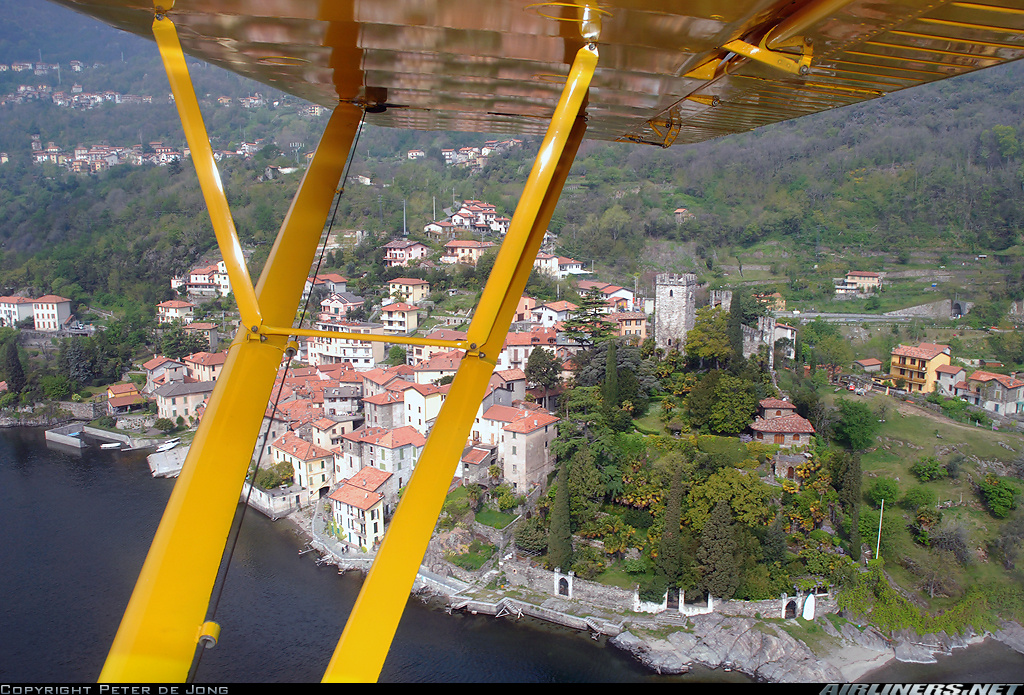
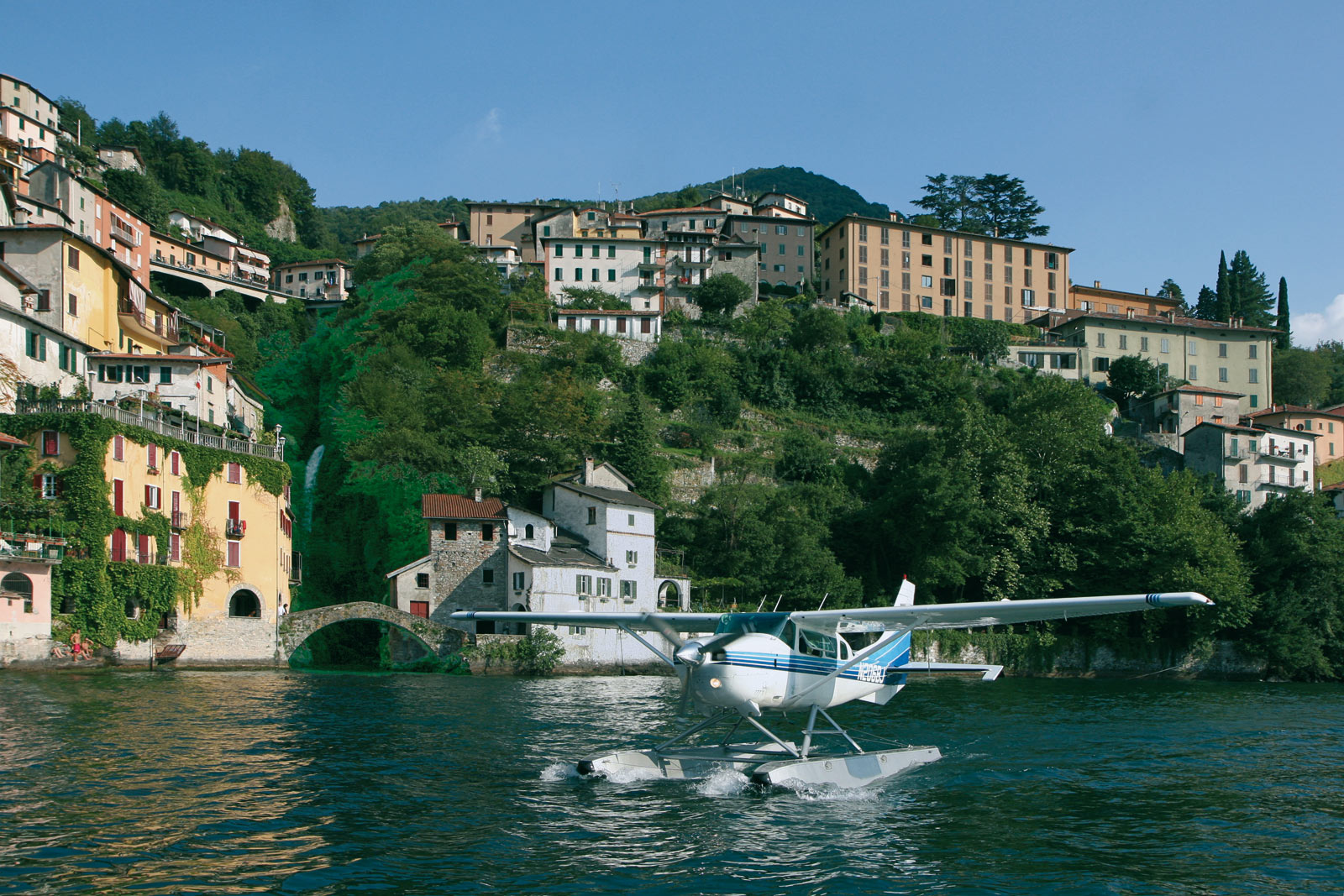
Many pilots are surprised to hear that Italy is one of the few countries in Europe where seaplanes can legally operate on almost any lake or river. There are a few local restrictions, but compared to most European countries, the freedom is remarkable. That changes the way training works. Instead of staying in a small training area, Lake Como becomes the starting point for a much larger playground. During the rating, instructors use different parts of the lake to find the right conditions for takeoffs and landings. Later on, many pilots continue exploring other lakes across northern Italy. Learning to fly on water here is not only about earning a new rating. It is about understanding how to safely operate in an environment that is constantly changing and offers far more possibilities than most pilots expect.
Why Lake Como Is Such a Good Classroom
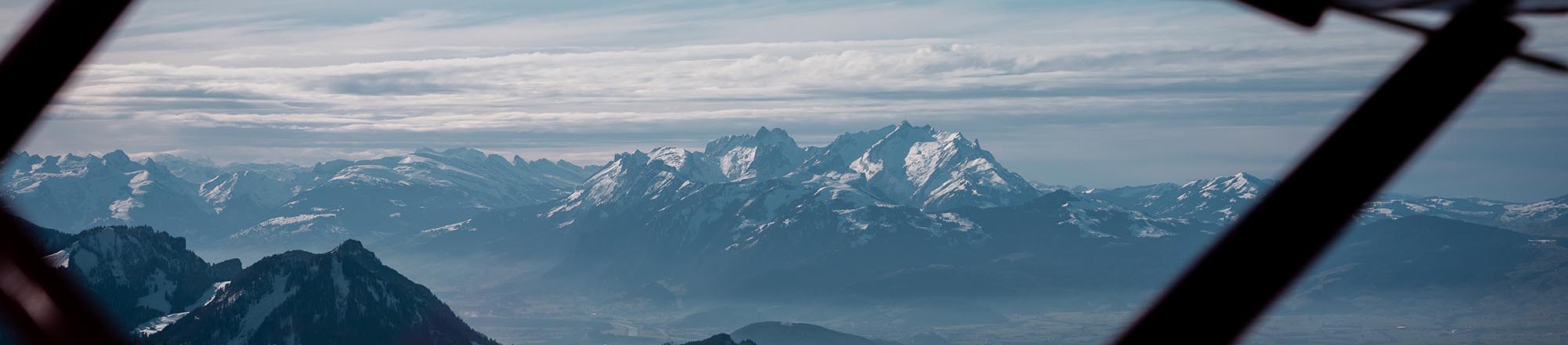
Lake Como is a beautiful place to fly, but it is also a demanding one. The lake sits between mountains, creating local weather effects that change throughout the day. Boat traffic produces waves that reflect from the shoreline and mix together. Wind direction can change inside the valley, and visibility can vary with the season. These are exactly the conditions students learn to manage during the course. Instead of waiting for the perfect day, instructors use the changing environment as part of the training. Every flight becomes slightly different from the one before. Pilots who learn here often say that flying on calmer lakes afterwards feels much easier because they have already experienced a much wider range of conditions during their training.
"Who learns to fly on Lake Como can fly almost anywhere."
Precision You Can Use Everywhere
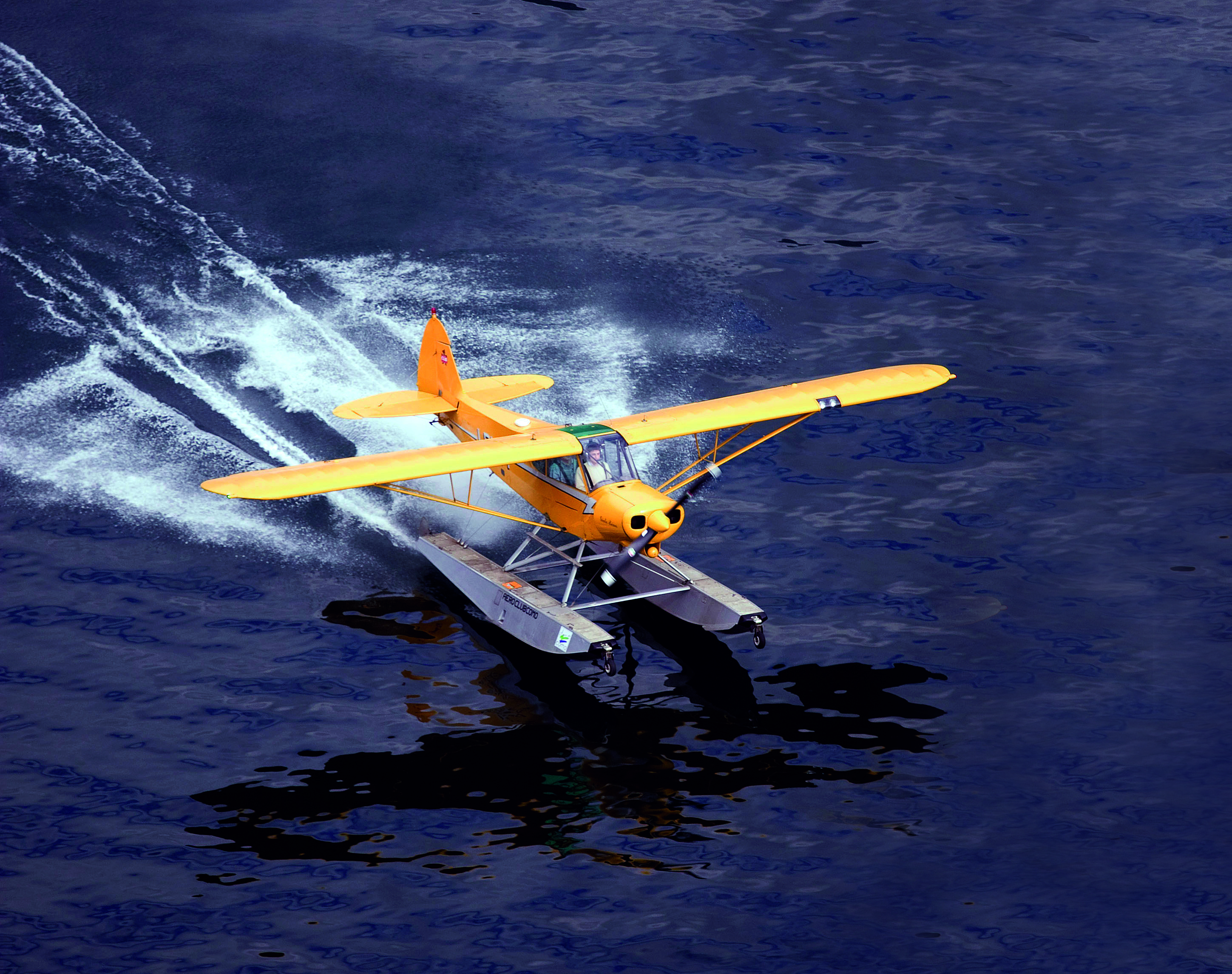
One of the most specific parts of the SEP (SEA) rating is the glassy water landing. On a calm surface, the lake can lose almost all visual depth. You may see the water, but you cannot judge your height above it in the usual way. The aircraft is flown with a fixed attitude, a stable descent rate and careful instrument reference until it touches the water. Cesare Baj, honorary president of Aero Club Como and a seaplane pilot with around 5,000 hours on water, explains it in very simple terms: Glassy water landing is an instrument operation that a seaplane pilot needs to learn since the very beginning of his/her flying experience. This is unique case in aviation, as instrument flight is normally learned in a much advanced phase of pilots' career.

What You Can Do After the Rating
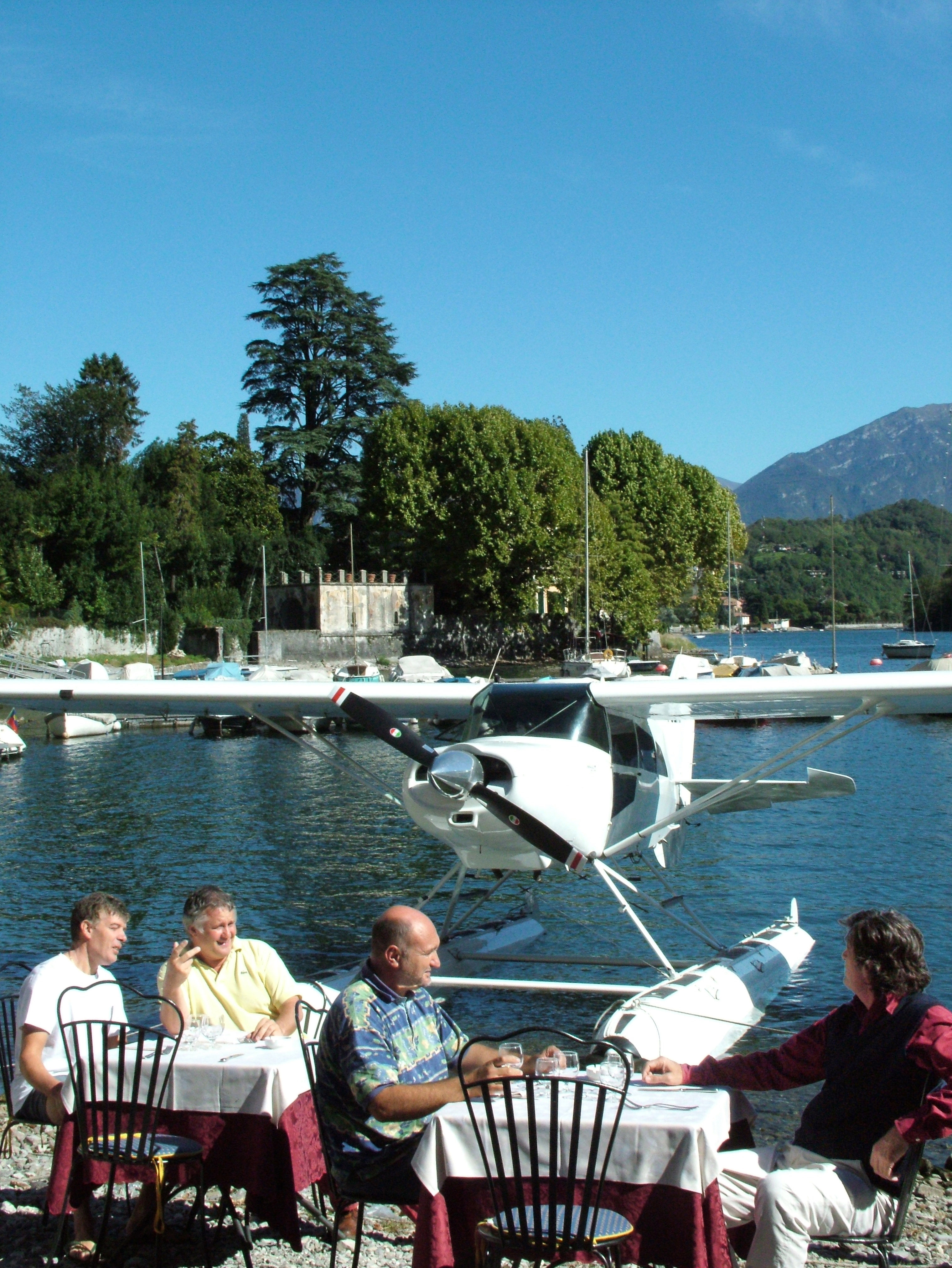
After the SEP (SEA) rating, pilots can join Aero Club Como and charter the club’s seaplanes. At the beginning, this is limited to flights from Como Seaplane Base back to Como Seaplane Base. It gives new seaplane pilots time to build experience in a familiar environment before operating somewhere else. Pilots who want to land on other lakes, use natural shorelines, beach the aircraft or dock at a buoy need the Advanced Seaplane Course. In that course, each new location is first flown together with an instructor. The pilot learns the local conditions and the correct way to operate there.
Why pilots choose Aeroclub Como
5x Cessna 172 on floats / 2x Cessna 172 on amphiban floats / 1x Cessna 206 on amphiban floats / Pipter PA18 Super Cub on amphiban floats / 1x Republic RC3 "Seabee" / Macchi MB308 of the 1950s (restoration is in progress)
from autumn to spring
Flexible (Usually completed in one week. Can also be split into two shorter visits if needed.)
English, Italian & French
Yes, Required
Lake Como, Northern Italy


.svg)