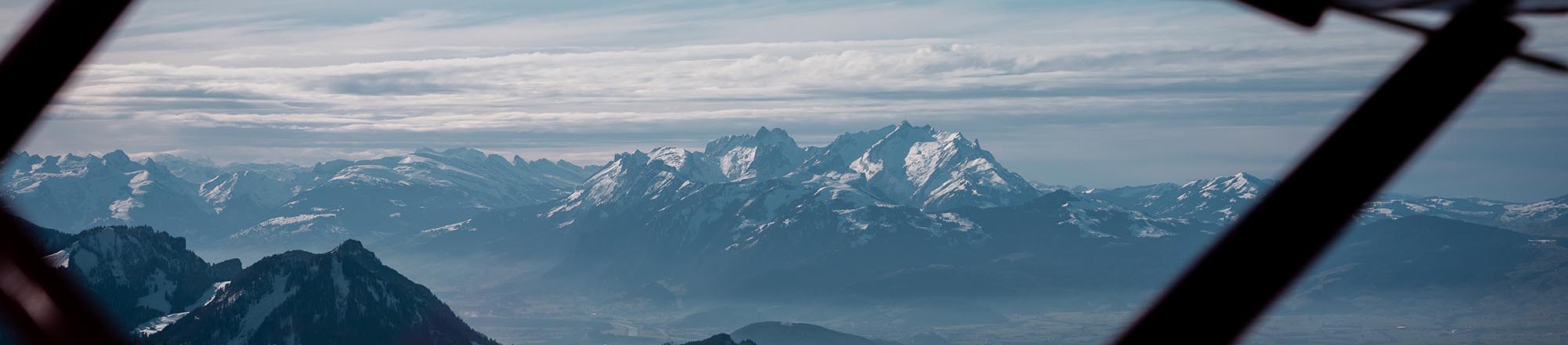
Ultralight Mountain Landing Training by HB Air
Mountain Landing Training
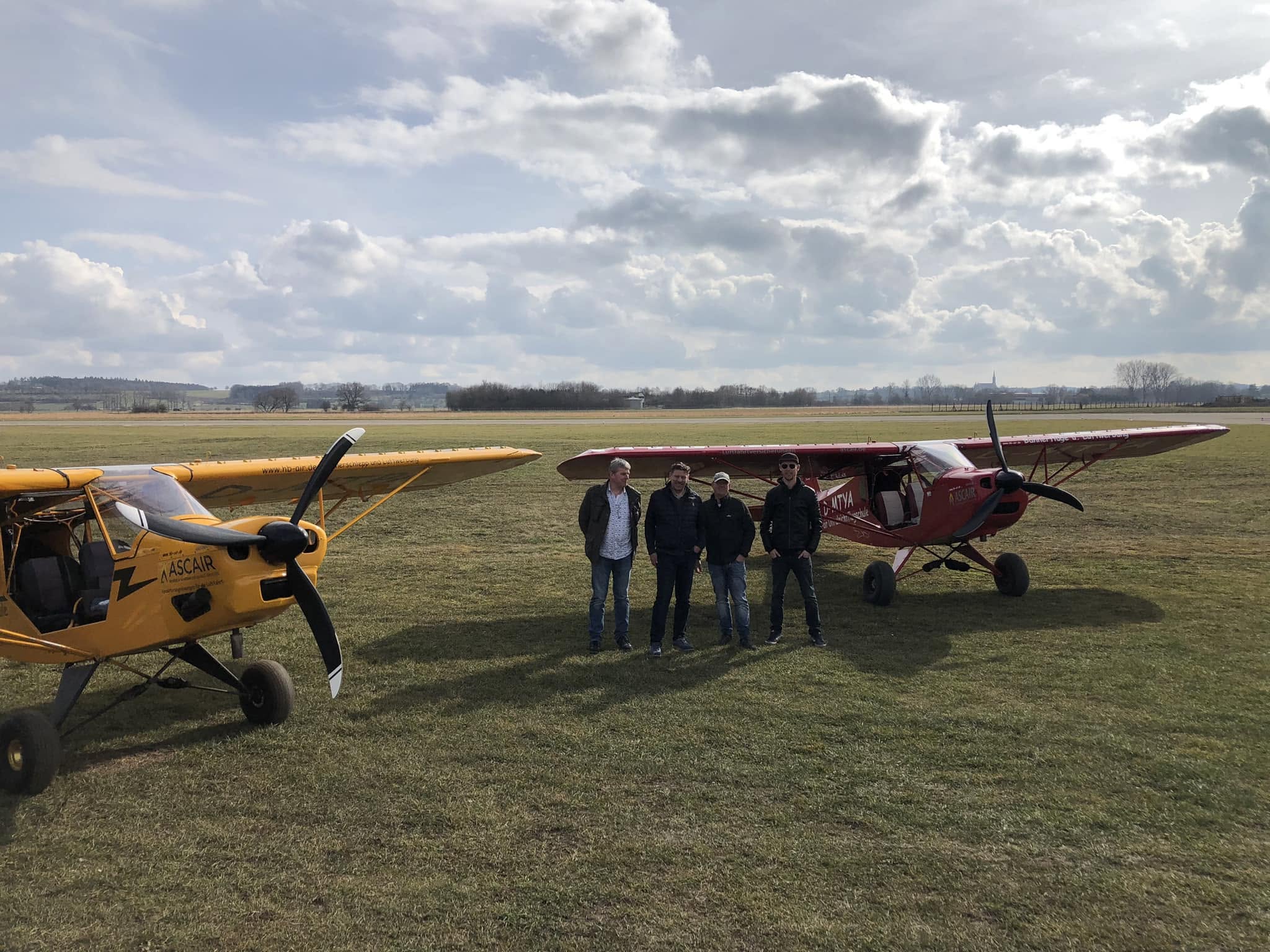
Learning the Basics Close to Home. This mountain landing training designed to prepare Ultralight pilots for operations in sloped terrain and short grass strips. Most training starts in Ehingen-Schlechtenfeld, a small airfield that offers many of the challenges pilots later encounter in the mountains. The runway is short, sloped, and often affected by crosswinds. It is the perfect place to build confidence before heading into more demanding environments. The focus is about understanding how mountain flying works. Energy management, terrain awareness, approach planning, and developing a feel for the aircraft all become part of the process. The goal is simple: make mountain operations feel less intimidating and much more manageable.
Flying Horizontal, Not Falling In
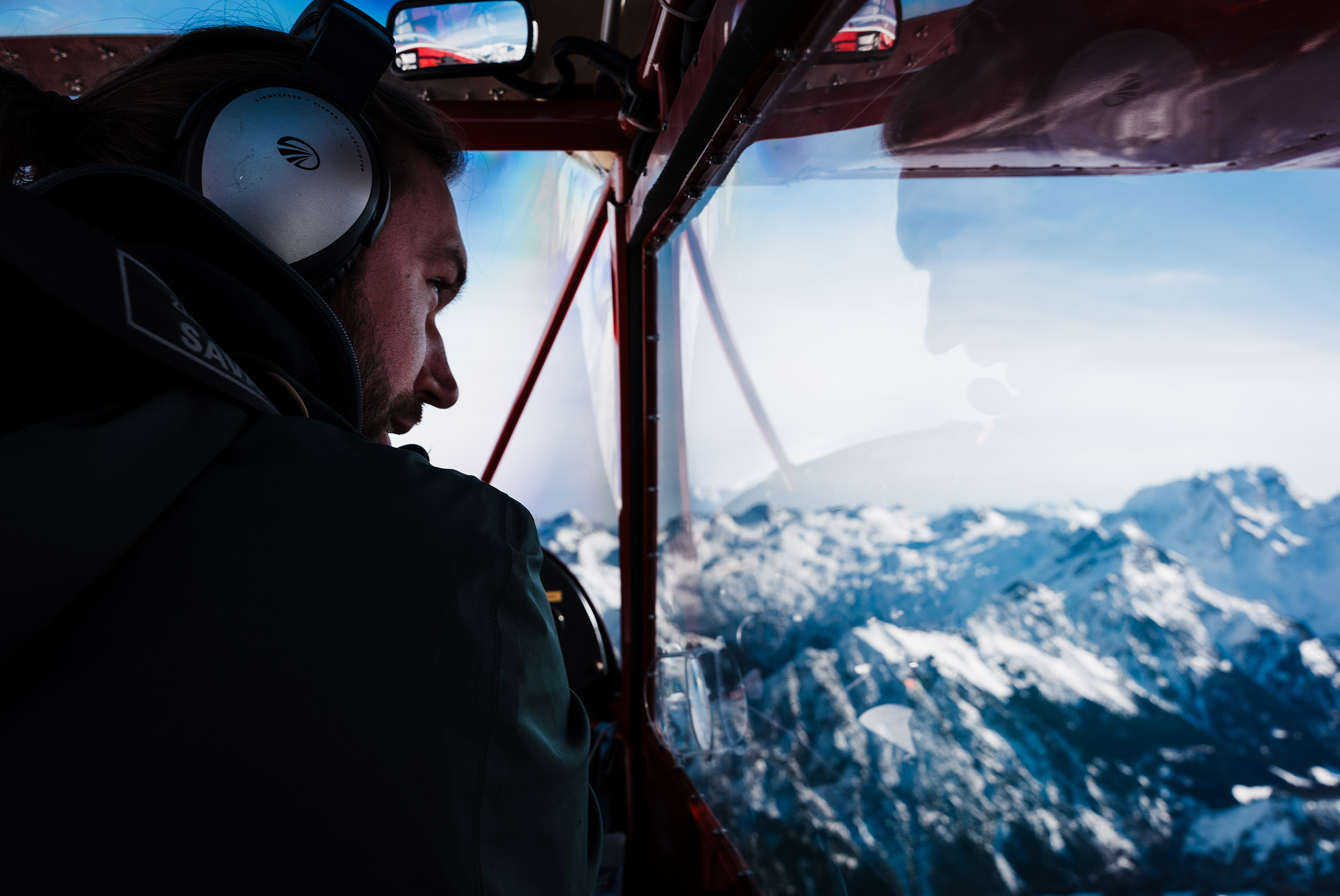
One of the biggest changes is the way approaches are flown. Instead of descending from above like on a normal circuit, pilots learn to fly through the valley at a constant height. Speed stays stable. Power stays in. Only at the right moment is the power reduced and the aircraft allowed to float uphill onto the runway. At first, this feels unusual. Especially for pilots who have spent years flying standard patterns. After a few landings, though, things start to click. The picture outside becomes familiar, and pilots begin to trust what they see instead of constantly chasing numbers inside the cockpit.

"There is no go-around in some places. That's why preparation matters."
Practice, Practice, Practice
Mountain flying is something you have to experience for yourself. The training starts with a short briefing and a few demonstration landings. After that, you fly. A lot. Most pilots are surprised by how quickly things become familiar. The first few approaches usually require a lot of concentration. Then it slowly becomes more natural. You stop staring at the airspeed indicator all the time. You begin to recognise the picture outside. You learn how the airplane feels when everything is right. During a typical training weekend, pilots often complete dozens of take-offs and landings. You simply get better by doing it again and again.
Taking the Next Step
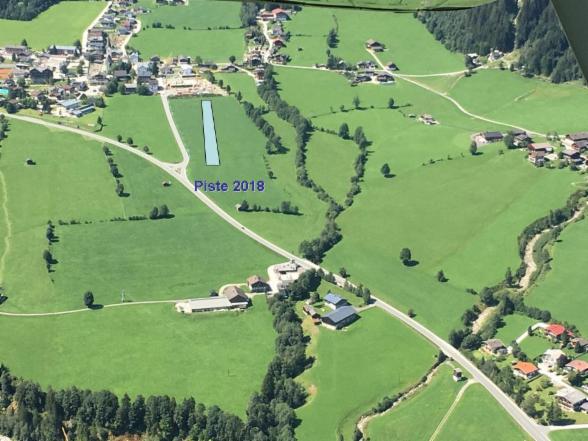
For pilots who want to go further, the training doesn't have to stop in Ehingen. HB Air also offers familiarisation flights into selected Austrian mountain airfields. Pilots can even use their own aircraft while flying alongside Henry. The same principles apply everywhere: know your aircraft, understand its performance, and don't rush things. Mountain flying is about making good decisions and staying one step ahead of the situation.
Quick Facts about the Ultralight Mountain Landing Training by HB Air
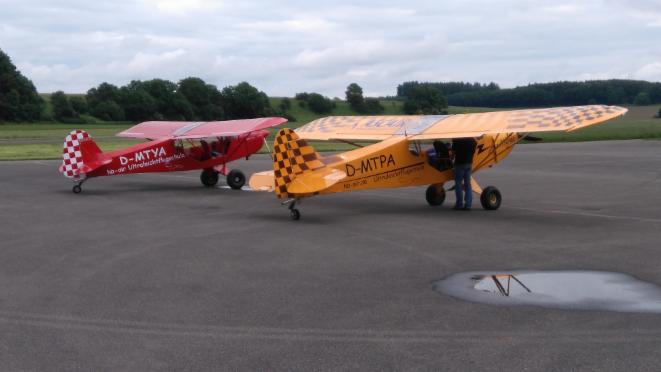
Training is conducted on HB Air's Zlin Savage ultralights. Pilots may also participate using their own aircraft.
Usually spread over several days, depending on previous experience and individual goals.
Pilots should already be comfortable and proficient in the aircraft used for the training.
This training does not lead to an official EASA Mountain Rating. The focus is on practical mountain flying techniques and decision-making.
Spring and autumn often provide the most favourable conditions. Summer training is possible but typically involves stronger thermals.
Many sessions take place after work during the week or on weekends. With sufficient notice, weekday daytime training can often be arranged as well.


.svg)