Aerobatic Rating by HB Air
From Airshows to the Training Area
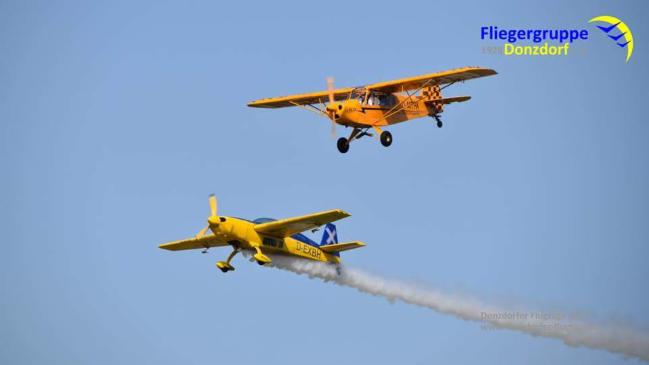
Before HB Air existed, Henry spent years flying aerobatic displays across Europe. Together with teammates, he flew glider aerobatics, night shows, Extra 300 displays and airshow programs almost every weekend. Later came German Championship titles and a Vice World Championship. Today, that experience finds its way into a much smaller aerobatic box above Mengen. The goal isn't only to create competition pilots. Most people simply want to understand what their aircraft is doing and become more comfortable outside the situations they encounter during normal flying. The atmosphere reflects that. No pressure. No stopwatch. Just one pilot sharing decades of experience with another.
Precision Before Performance
People often expect aerobatics to be aggressive. Henry sees it differently. He talks a lot about timing, smooth control inputs and patience. Flying a clean loop isn't about pulling harder. Flying a good turn isn't about being faster. The airplane still expects coordination, proper energy management and good timing. The same applies to complete aerobatic sequences. You fly one figure. Then you reset. Then the next one. Students quickly realise that rushing rarely improves anything. Precision matters more than speed. That lesson usually transfers directly back into everyday flying.
"You have to understand what the airplane is telling you."
The Roll Surprises Everyone
Most people think the roll will be easy. Henry laughs at that idea. According to him, the roll is often one of the most demanding manoeuvres during basic aerobatic training. Small mistakes show up immediately. Pull a little too much, and the airplane starts wandering off line. Forget the correct control input, and the figure begins to look untidy. That's why the roll receives so much attention. Students learn to coordinate pitch, rudder and aileron inputs while maintaining orientation outside the cockpit. The objective is understanding what each control surface actually does. And that takes practice.
When Flying Becomes Intuitive
Henry describes it as reaching a point where the airplane stops demanding all of your attention. You no longer think about every control input individually. The aircraft begins to feel familiar. You know how it responds. You recognise what it needs. You stop fighting it. For Henry, that's one of the most rewarding parts of teaching aerobatics. The goal is helping pilots become more connected to the aircraft they're flying. Because when that happens, flying often becomes calmer, smoother and far more enjoyable.
Quick Facts about the Aerobatic Rating with HB Air
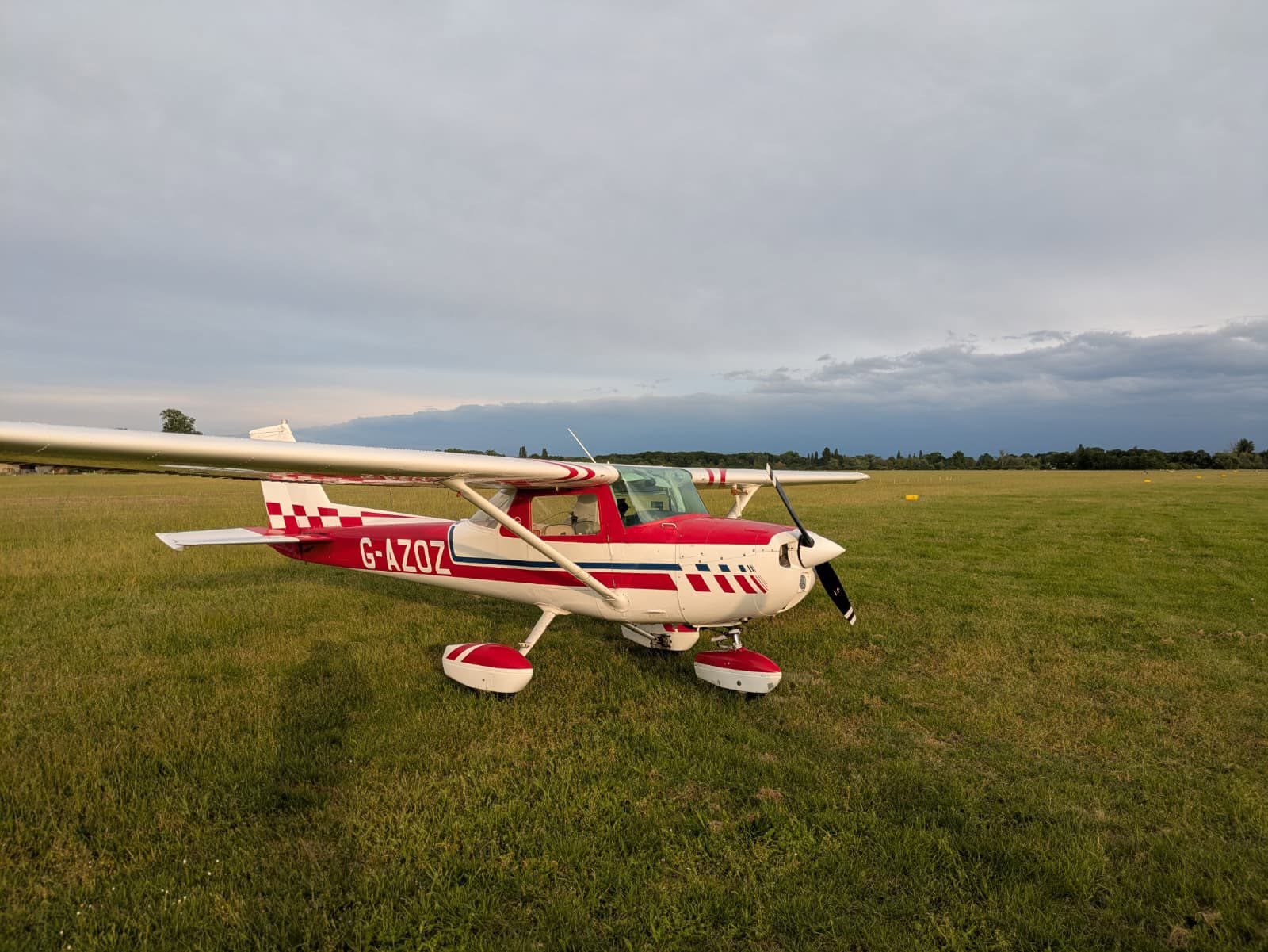
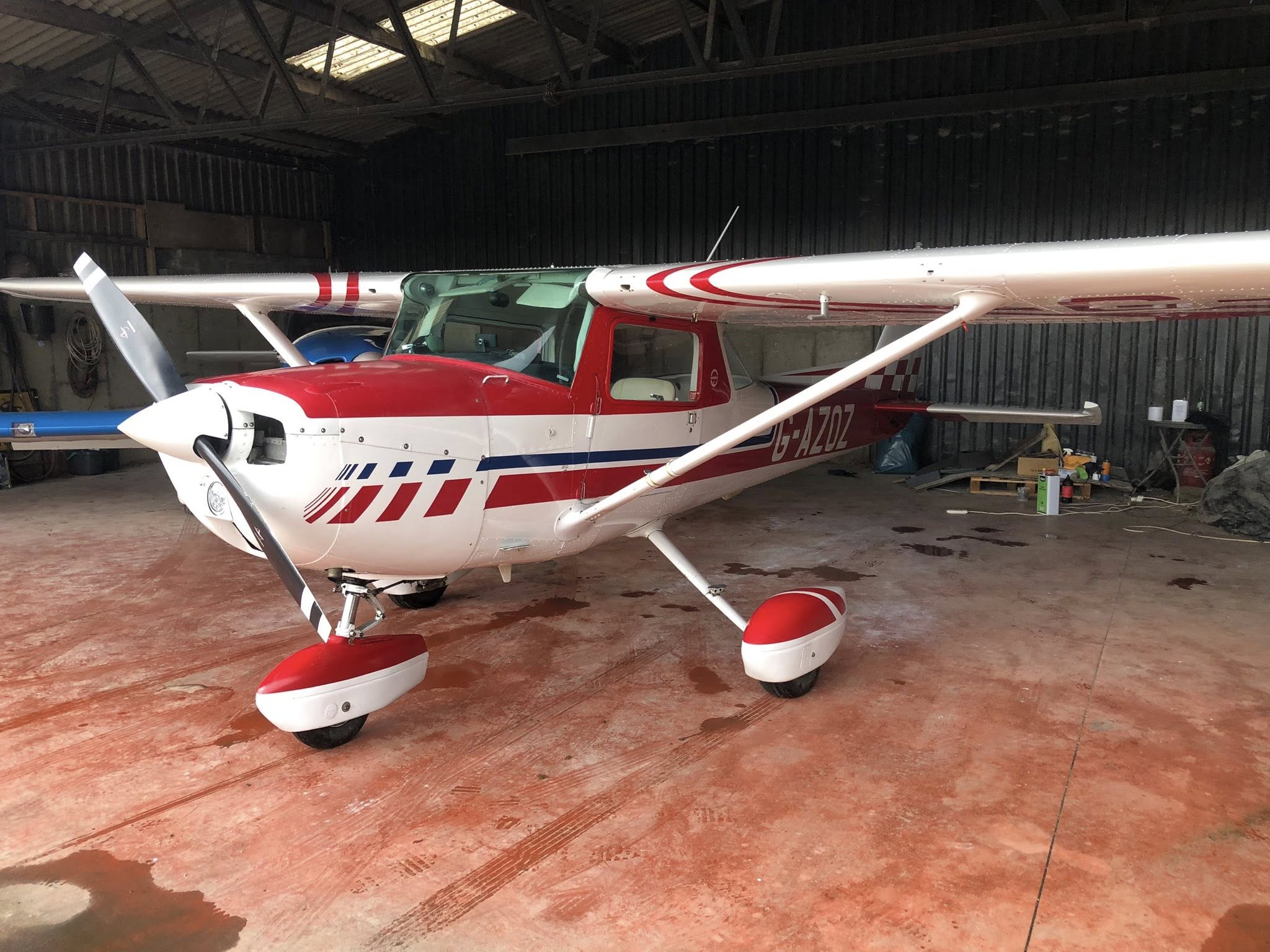
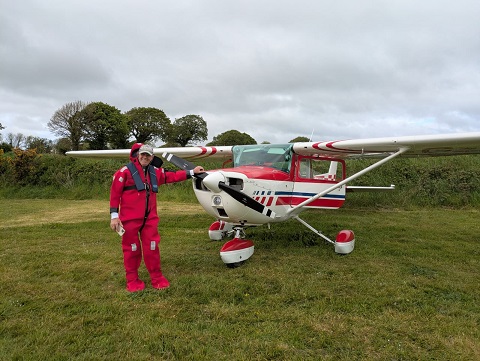
Training is currently conducted on the Cessna 152 Aerobat.
Typically completed over several sessions, depending on previous experience and individual progress.
At least 50 flight hours after licence issue are required for aerobatic training.
Aerobatic training is possible year-round, although fog is frequently to be expected at the airfield during the winter.
The Aerobatic Rating remains valid indefinitely. Pilots are encouraged to stay current through regular practice or refresher flights.
Most sessions take place on weekday evenings or weekends. With sufficient notice, weekday daytime training can often be arranged as well.


.svg)